

 Water-Wise Landscaping for Dry Melbourne Summers: Smart Ideas That Save Water
  Bentonville HVAC Repair: Reliable Comfort Starts with the Right Experts
 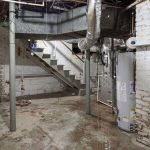 How to Get Rid of Musty Odours in Your Basement
  Roofing Repair in Harrisburg: Protecting Homes Through Quality and Care
  Restoring Strength and Safety with Expert Concrete Repair in Marion
 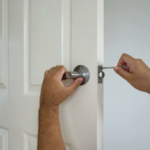 Locked Out? How Total Security Locksmith Handles Emergency Lockout and House Lock Services with Ease
  How Takara Standard Kitchens in Singapore Evolve With Every Milestone
  The Hidden Benefits of Serviced Apartments for Rent in Singapore
  Top 5 Benefits of Installing Roller Blinds in Singapore Homes
A rental lease is one of the most important documents a landlord can have and to get started most landlords find templates at ezLandlordForms. It sets clear expectations for both landlords and tenants and helps prevent misunderstandings throughout the rental period. Following the right steps for creating a legally compliant lease can protect your property, reduce disputes, and ensure everyone understands their responsibilities. A well-written lease serves as a roadmap for the landlord-tenant relationship and can save time, money, and stress in the future.
Building a Strong and Legally Compliant Lease
Customize Your Lease for Your Property and Local Laws
Many landlords start with a lease template, which can be a great way to save time. However, every lease should be customized to fit the property, rental arrangement, and local regulations. Laws related to security deposits, property access, required notices, and tenant rights can vary from one state or city to another.
Before finalizing a lease, take time to review local landlord-tenant regulations. Adding the correct disclosures and legal language helps ensure your lease follows current requirements. At the same time, include any property-specific rules that apply to your rental. These may include pet policies, parking rules, online rent payments, or conditions for lease renewal.
The more detailed your lease is, the easier it becomes to handle questions and situations that may arise during the tenancy. Clear rules reduce confusion and help both parties understand what is expected from the start.
Clearly Define All Rental Terms
Every lease should contain complete and accurate information about the rental agreement. Missing details can lead to misunderstandings and disputes later on.
Important information should include the lease term, start and end dates, names of all residents, rent amount, due dates, late fee policies, security deposits, and payment instructions. If there are co-signers, their information should also be included.
You should also explain policies related to utilities, maintenance requests, occupancy limits, and pet ownership. For example, specify which utilities are covered by the landlord and which are the tenant’s responsibility. If tenants need to contact a specific provider for services, include those instructions as well.
Being thorough with these details creates transparency and helps tenants understand their obligations before moving in.
Include Important Lease Clauses
Lease clauses provide guidance for handling common situations that may occur during a tenancy. These sections can help protect both landlords and tenants while reducing the chances of legal disagreements.
A severability clause can ensure that if one part of the lease becomes invalid, the rest of the agreement remains enforceable. A joint responsibility clause can make all tenants equally responsible for rent payments and lease obligations. An access clause can explain when and how a landlord may enter the property, including emergency situations.
Other useful clauses may address maintenance responsibilities, subletting rules, noise restrictions, legal fees, rent obligations, and situations where tenants remain in the property after the lease expires. Including these clauses helps create a complete agreement that covers many common rental issues before they become problems.
Keeping Your Lease Updated and Easy to Manage
Review and Update Your Lease Regularly
A lease should never remain unchanged year after year without review. Rental markets, property policies, and local laws can change over time. Reviewing your lease before each new tenancy or renewal helps ensure it remains accurate and effective.
Update tenant information, lease dates, rent amounts, and any additional fees when necessary. If you decide to allow pets, change parking arrangements, or introduce new property rules, those updates should be reflected in the lease.
Regular updates also help ensure compliance with current landlord-tenant laws. Staying informed about legal changes can help you avoid costly mistakes and maintain a professional rental process.
Use Digital Leases and Electronic Signatures
Modern technology has made lease management easier than ever. Digital leases provide convenience for both landlords and tenants while keeping important documents organized and accessible.
Online lease systems allow landlords to quickly make changes, store documents securely, and share agreements with tenants. Instead of printing, scanning, or mailing paperwork, leases can be sent directly to tenants for review and signature.
Electronic signatures are widely accepted and offer the same level of legal validity as traditional signatures in many situations. Digital storage also ensures that both parties can access their lease whenever needed, reducing the risk of lost paperwork.
For landlords managing multiple properties, online lease management can simplify recordkeeping and save valuable time throughout the rental process.
Conclusion
Creating a strong rental lease is one of the best investments a landlord can make. A carefully prepared agreement establishes clear expectations, protects your property, and helps maintain positive landlord-tenant relationships. By customizing your lease, clearly outlining rental terms, including important clauses, updating the document regularly, and using digital tools, you can create a lease that supports long-term success. A legally compliant and well-organized lease not only protects your interests but also provides tenants with the clarity and confidence they need throughout their tenancy.
Related Posts

The Hidden Benefits of Serviced Apartments for Rent in Singapore