
 Bentonville HVAC Repair: Reliable Comfort Starts with the Right Experts
  How to Get Rid of Musty Odours in Your Basement
  Roofing Repair in Harrisburg: Protecting Homes Through Quality and Care
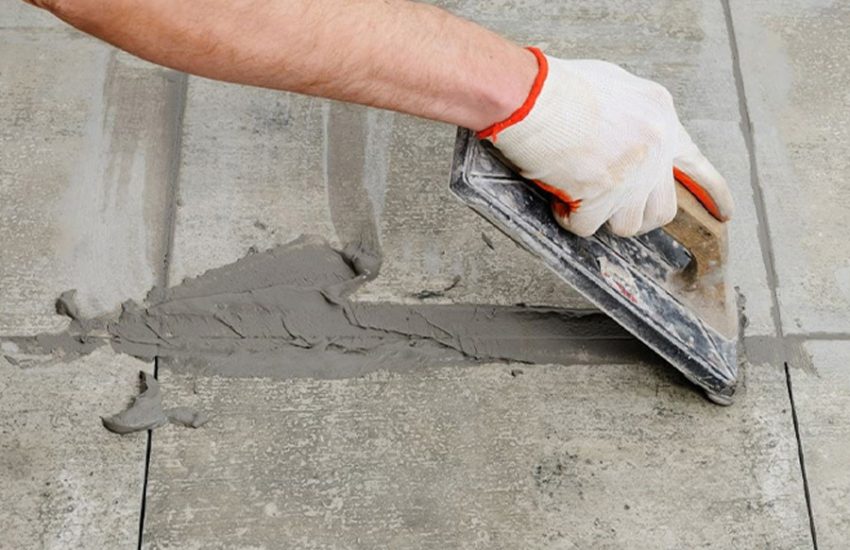
  Restoring Strength and Safety with Expert Concrete Repair in Marion
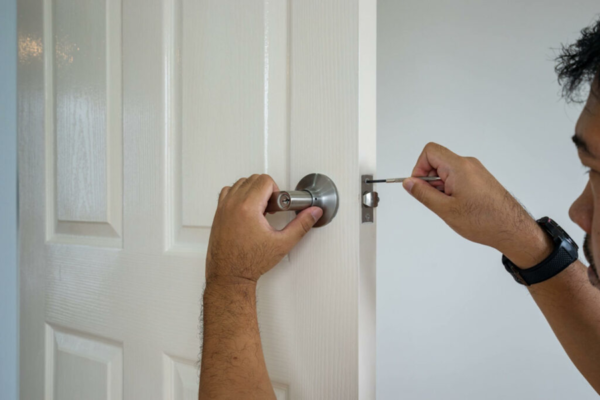
  Locked Out? How Total Security Locksmith Handles Emergency Lockout and House Lock Services with Ease
  How Takara Standard Kitchens in Singapore Evolve With Every Milestone
  The Hidden Benefits of Serviced Apartments for Rent in Singapore
  Top 5 Benefits of Installing Roller Blinds in Singapore Homes
  DIY Log Cabin Christmas Decorations on a Budget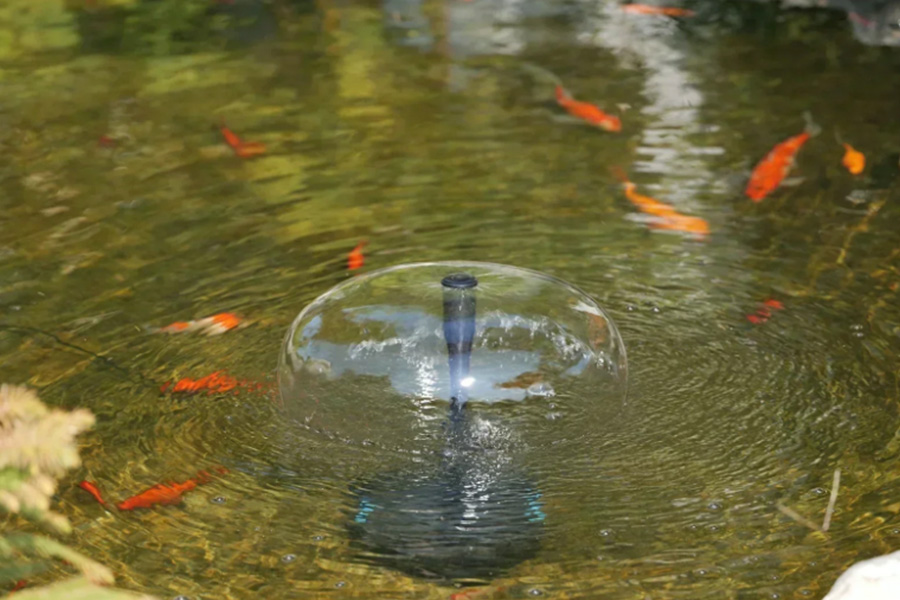
Koi are known for their bright colors, graceful movements, and calming presence in a garden pond. However, they also produce a large amount of waste, which can quickly affect water quality if not managed properly. This is why pond filtration is one of the most important parts of maintaining a healthy koi pond. A good filtration system helps remove waste, control algae growth, and keep the water clean and safe for your fish. With the right setup and regular maintenance, your koi can thrive in a clear and beautiful pond environment.
Understanding the Different Types of Pond Filters
A successful koi pond relies on several types of filtration working together. Each filter has a specific job that helps improve water quality and create a healthy habitat for fish.
Mechanical Filtration
Mechanical filtration is the first stage of the cleaning process. Its main purpose is to remove visible waste and debris from the water before they break down and cause water quality problems.
Common materials trapped by mechanical filters include:
- Fish waste
- Uneaten fish food
- Leaves and twigs
- Dirt and other floating debris
By removing these particles early, mechanical filters help prevent cloudy water and reduce the amount of waste that enters the biological filter. This allows the entire filtration system to work more efficiently.
Biological Filtration
Biological filtration is often considered the heart of a koi pond filtration system. While mechanical filters remove solid waste, biological filters handle harmful substances that cannot be seen.
As fish produce waste, ammonia is released into the water. Ammonia is toxic to koi and can become dangerous if allowed to build up. Biological filters provide a home for beneficial bacteria that naturally convert ammonia into less harmful compounds.
Benefits of biological filtration include:
- Improved water quality
- Reduced ammonia levels
- Healthier fish
- A more balanced pond environment
Many koi keepers use Bakki shower systems because they provide excellent conditions for beneficial bacteria to grow and perform their job effectively.
UV Filtration
Ultraviolet (UV) filtration helps control algae growth by exposing algae cells to UV light as water passes through the unit.
Without UV filtration, green water algae can multiply quickly, making the pond appear cloudy and reducing visibility. A UV filter helps keep the water clear while supporting the overall filtration system.
Advantages of UV filtration include:
- Clearer pond water
- Reduced algae blooms
- Better visibility of koi
- Improved overall pond appearance
Combining Filtration Methods
The best koi ponds use a combination of mechanical, biological, and UV filtration. Each type performs a different task, and together they create a complete system that keeps water clean and healthy throughout the year.
A small pond with only a few fish may require a simple setup, while larger ponds with many koi usually need stronger and more advanced filtration systems.
Setting Up and Maintaining Your Pond Filtration System
Choosing the right filter is only the first step. Proper installation and regular maintenance are equally important for long-term success.
Choosing the Right Filter Size
Always select a filter that matches the size of your pond and the number of koi you keep. An undersized filter may struggle to keep up with waste production, leading to poor water quality.
When choosing a filter, consider:
- Total pond volume
- Number of fish
- Fish size
- Feeding frequency
- Local climate conditions
A properly sized filter will provide better performance and reduce maintenance problems in the future.
Proper Filter Placement
The location of your filtration system can affect its efficiency and lifespan.
For best results:
- Place the filter in a shaded area when possible.
- Protect it from excessive sunlight and strong winds.
- Ensure easy access for maintenance and cleaning.
- Keep enough space around the unit for inspections and repairs.
Good placement can help improve system performance and make maintenance easier.
Regular Backwashing
Backwashing is an important maintenance task that removes trapped debris from the filter media.
Over time, waste builds up inside the filter. If not removed, water flow may decrease and the system may become less effective.
Most manufacturers recommend backwashing every few weeks, although the exact schedule depends on:
- Pond size
- Fish population
- Feeding habits
- Filter type
Following the manufacturer’s recommendations will help maintain strong filtration performance.
Cleaning Filter Media
Filter media should be cleaned regularly to prevent clogging and maintain water flow.
When cleaning filter media:
- Use pond water when possible to protect beneficial bacteria.
- Avoid excessive cleaning of biological media.
- Replace worn-out media when necessary.
- Inspect media for signs of damage.
Proper care of filter media helps maintain both mechanical and biological filtration.
Inspecting the Pump and Water Quality
The pond pump is responsible for moving water through the filtration system. A failing pump can reduce filtration efficiency and affect water quality.
Regularly check:
- Water flow rates
- Pump operation
- Hose connections
- Signs of leaks or blockages
In addition, monitor water quality by testing for:
- Ammonia
- Nitrite
- Nitrate
- pH levels
Routine testing allows you to identify problems early and make adjustments before they affect your koi.
Long-Term Success with Pond Filtration
A well-designed and properly maintained filtration system is one of the most valuable investments you can make for your koi pond. By combining mechanical, biological, and UV filtration, and by following a regular maintenance schedule, you can enjoy clear water, healthy fish, and a beautiful pond all year long.
Whether you are caring for a small backyard pond or a large koi collection, proper pond filtration provides the foundation for a thriving aquatic environment. With consistent attention and care, your pond can remain a healthy and attractive feature for many years to come.