
 A Complete Guide to Stump Removal in Fort Collins
  Water-Wise Landscaping for Dry Melbourne Summers: Smart Ideas That Save Water
  Bentonville HVAC Repair: Reliable Comfort Starts with the Right Experts
  How to Get Rid of Musty Odours in Your Basement
  Roofing Repair in Harrisburg: Protecting Homes Through Quality and Care
  Restoring Strength and Safety with Expert Concrete Repair in Marion
  Locked Out? How Total Security Locksmith Handles Emergency Lockout and House Lock Services with Ease
  How Takara Standard Kitchens in Singapore Evolve With Every Milestone
  The Hidden Benefits of Serviced Apartments for Rent in Singapore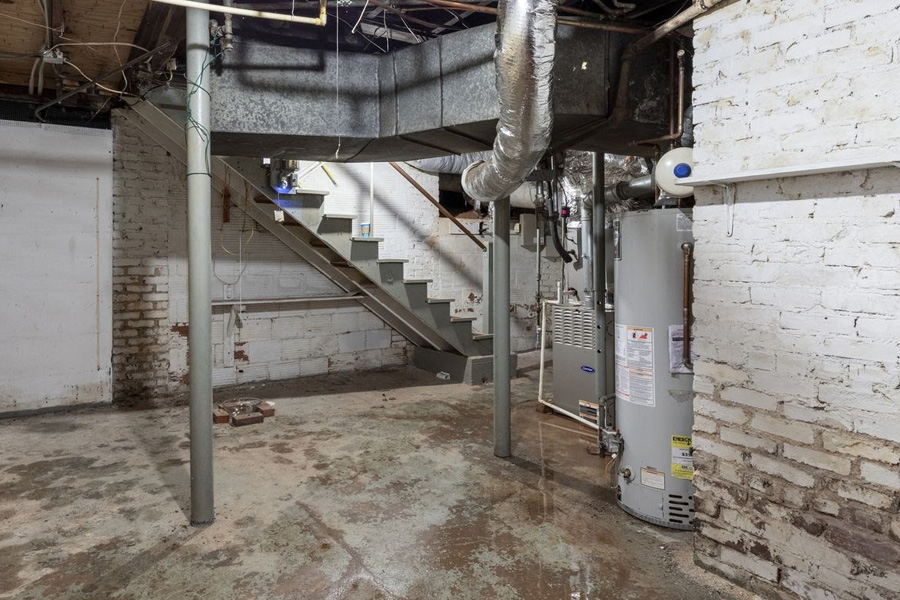
Basements have a reputation for smelling a bit off, and it’s not entirely undeserved. That damp, earthy whiff that greets you at the door isn’t exactly the welcoming scent you’d hope for in a usable space.
Musty odours are incredibly common in UK homes, especially in older properties where moisture loves to settle in for a long stay. Fortunately, this issue is entirely fixable.
With a few practical steps, you can turn that musty dungeon into a fresh, usable space. Here’s how to banish those basement odours for good.
Find the Source of the Smell
Before you start spraying air fresheners everywhere, you need to play detective and track down where that smell is actually coming from.
Check for damp patches on walls, especially near the floor, where moisture tends to creep up, and look for water stains on the ceiling that might point to leaky pipes above.
Don’t forget to peek behind stored boxes and furniture. Mould loves hiding in dark, forgotten corners where air doesn’t circulate.
If you spot any leaks or cracks in the foundation, mark them down. These are often the culprits letting moisture in, and fixing them is your first line of defence.
Seal Cracks and Fix Leaks
Now that you’ve identified the problem areas, it’s time to keep moisture away, as it’ll keep sneaking back in if your basement isn’t properly sealed. This step is crucial for long-term freshness.
Inspect your walls and floors for cracks, especially where the floor meets the wall. Use waterproof sealant to fill them in and prevent water from seeping through.
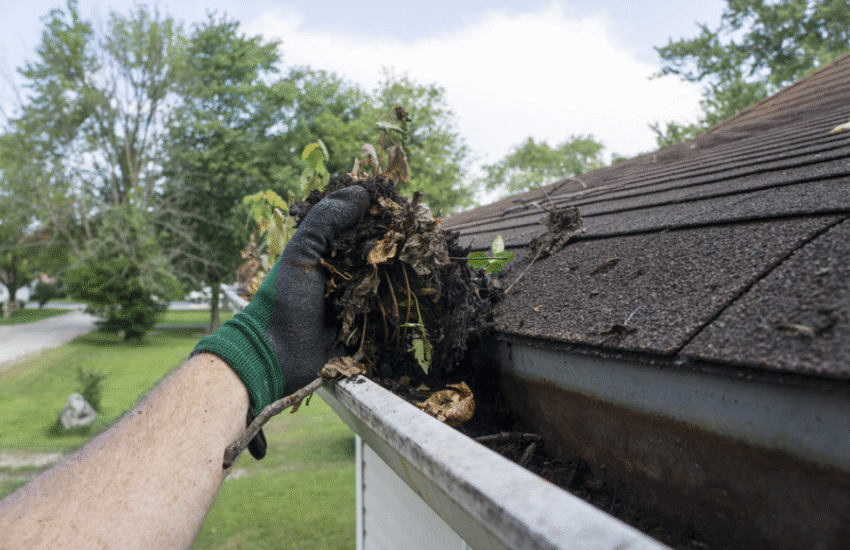
Check your gutters and downspouts outside. If they’re clogged or directing water towards your foundation, that’s a recipe for basement dampness.
Many UK homes deal with rising damp, where groundwater works its way up through walls. If this sounds familiar, a damp-proof course might be necessary to stop moisture in its tracks.
Leaky pipes are another common issue. Tighten loose fittings and replace worn washers before small drips turn into bigger problems.
Declutter and Clear the Space
Once you’ve tackled leaks and sealed cracks, the dampness and musty smell should be under control. But before you can fully banish lingering odours, you’ll need to clear the space.
A cluttered basement isn’t just hard to clean; it also traps moisture, mould, and lingering odours. Start by pulling everything out and sorting it into categories: keep, donate, or toss. Be ruthless—if you haven’t used it in years, or if it smells musty even after airing out, it’s time to say goodbye.
Store the items you’re keeping in sealed plastic containers rather than cardboard boxes. Plastic keeps moisture and smells out, and makes the basement far less appealing to pests like mice and insects.
Clear away piles of old newspapers, fabrics, and other materials that can trap dampness and stubborn odours. They create pockets where smells linger.
Leaving some space between stored items and the walls helps air circulate, too, keeping the basement fresher for longer.
Deep Clean All Surfaces
Once your space is properly decluttered, it’s time to give your basement a proper scrub. That’s probably the part that would have most people hesitate to start. But a proper clean is worth it—musty smells sink into all surfaces imaginable, and a quick wipe won’t get rid of them.
Start with the walls. Mix warm water with a bit of vinegar or mild detergent, then scrub down any painted or sealed surfaces.
If you’ve got exposed brick or concrete, use a stiff brush to get into the pores where mould might be hiding. These materials are porous and can trap odours deep inside.
Floors need attention, too. Sweep away dust and debris, then mop with a disinfectant solution that tackles mould and mildew.
Don’t overlook shelving units, storage boxes, and any furniture you keep down there. Wipe everything down, and if something smells beyond saving, it might be time to let it go.
For a more thorough approach, you might want to consider professional cleaning help. Services across the UK specialise in tackling stubborn basement issues, and their industrial equipment can handle what a mop and bucket can’t.
Wash or Replace Soft Furnishings
Carpets, curtains, and upholstered furniture are like sponges for musty smells. If you’ve got any of these in your basement, they’re probably holding onto more odour than you realise.
Throw washable items like rugs and curtains into the machine with a cup of white vinegar added to the cycle. It’ll help break down the smell.
For larger carpets, hire a steam cleaner or call in professional cleaning help to do a deep extraction. It’s worth it for the difference it makes.
If soft furnishings are beyond saving—damp, stained, or permanently musty—it’s better to replace them. Fresh materials won’t carry that old smell back into your newly cleaned space.
Improve Air Circulation
Now that you’ve tackled the source of the musty smell and cleared out lingering odours, the next step is keeping your basement fresh. Musty smells return quickly if air doesn’t circulate, so it’s important to let your space breathe.
Open windows when the weather is dry, even if it’s just for an hour or two—fresh air does wonders for pushing out any stale, heavy smell. Adding a fan can help, especially in basements with few windows; position it near doorways to pull fresh air through the space.
Dehumidifiers are also a big help in basements, where dampness is a year-round challenge.
They remove excess moisture from the air and prevent that clammy feeling that makes everything smell musty. Keep an eye on humidity levels, aiming for 30–50% to make sure mould doesn’t settle.
Use Natural Odour Absorbers
Once your basement is clean and dry, a few natural odour absorbers can keep it smelling fresh without harsh chemicals.
Bowls of bicarbonate of soda placed around the room will soak up lingering smells, so replace them every few weeks for the best results.
Activated charcoal is another excellent option. It’s especially good at trapping moisture and odours in enclosed spaces.
Coffee grounds work in a pinch, too. They won’t eliminate the source of the smell, but they’ll mask it while you tackle the root cause.
Keep a few houseplants down there if the lighting allows. Some varieties, like spider plants, can help filter the air naturally and add a bit of life to the space.
Conclusion
Who knew getting rid of a musty smell could feel like such a victory? But there you have it—your basement no longer smells like it’s auditioning for a horror film.
You’ve tracked down the moisture, scrubbed away the grime, and given that space the fresh start it deserved. Now you can actually use it without holding your breath.
Keep up with the ventilation and stay on top of any dampness, and that basement will stay fresh for the long haul.